Goodman: A Playful Script Font for Branding Projects
There’s something undeniably charming about a handwritten script font. It feels personal, warm, and just a little bit magical. When I first opened the Goodman font in my design software, I knew it was going to be more than just another typeface—it was going to be a character in the story of a brand I was working on.
A First Impressions Test
I was in the middle of designing a visual identity for a small café that wanted to feel cozy, inviting, and a little whimsical. The owner had a vision of a space that felt like stepping into a storybook. That’s where Goodman came in. As I placed the font on a logo draft, I immediately noticed its unique rhythm and flow. It has that classic script feel, but with a modern twist that makes it feel fresh and approachable.
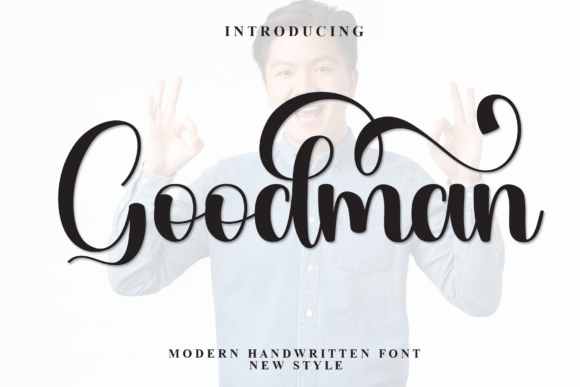
The letterforms are beautifully proportioned, with a gentle curve that gives each letter a sense of movement. It’s not too ornate, which is a relief for someone who wants to maintain readability while still adding a touch of personality. The serifs are subtle but present, giving it a refined edge without being too formal.
Testing in Real Design Scenarios
I started by using Goodman as the primary typeface for the café’s logo. It worked incredibly well—especially when paired with a sans serif font for balance. The contrast between the two made the logo pop, and the script added a playful energy that matched the café’s vibe.
As I moved into mockups for packaging and signage, I found that Goodman held up well in different contexts. On a coffee label, it looked elegant and legible. On a shop sign, it added warmth and charm. Even on a business card, it maintained its character without becoming overwhelming.
One thing I really appreciated was how Goodman performed on digital platforms. Whether it was a website header, an Instagram post, or a social media graphic, the font remained crisp and readable. It’s a great choice for short-form text, especially when you want to make an impact quickly.
Font Pairing and Versatility
Goodman isn’t just a one-trick pony. It works well in a variety of roles. For instance, it can serve as a display font for headlines, an accent font to highlight key messages, or even a supporting typeface in editorial layouts. I’ve used it in both print and digital projects, and it consistently delivers.
When pairing Goodman with other fonts, I leaned into its playful nature. A clean sans serif like Montserrat or Helvetica Neue balanced out its curves and gave the design structure. For a more cohesive look, I also experimented with pairing it with another script font, though I found that it often stood out too much when used together.
On the flip side, Goodman pairs beautifully with serif fonts like Georgia or Cinzel. This combination creates a timeless aesthetic that’s perfect for branding materials such as brochures, menus, and marketing collateral.
Design Considerations and Practical Tips
Before committing to a font for a full brand system, I always recommend testing it in various contexts. I created mockups for different applications—website headers, product labels, and social media posts—to see how Goodman performed in real life.
One thing to keep in mind is that Goodman is best suited for short texts. While it’s beautiful for headlines and logos, it may not be ideal for long paragraphs or body copy. That said, it’s still a versatile option for any project that needs a touch of character.
Another important consideration is font licensing. Since Goodman falls under the Fonts category, it’s essential to ensure that the license allows for commercial use. Always double-check the included styles, weights, and alternates before finalizing your design assets.
Final Thoughts on Using Goodman
Working with Goodman has been a delightful experience. It brings a sense of warmth and personality to every project it touches. Whether it’s a logo, a menu, or a social media post, this font adds a unique flair that’s hard to replicate with standard typefaces.
If you’re looking for a font that combines elegance with playfulness, Goodman is worth considering. It’s a great choice for creative studios, small businesses, and anyone who wants their brand to feel personal and memorable.
So next time you’re designing a brand identity, don’t forget to give Goodman a try. You might just find that it becomes an essential part of your design toolkit.