Delights Justhinking: A Timeless Handwritten Font for Branding and Design
There’s something oddly satisfying about opening a blank brand board and staring at the white space. It’s a moment that feels both daunting and full of potential. Last week, I found myself in that exact situation while working on a boutique identity project for a local artisanal soap brand. The client wanted something warm, approachable, and slightly whimsical—something that felt like it could be hand-written by a friend. That’s when I reached for Delights Justhinking.
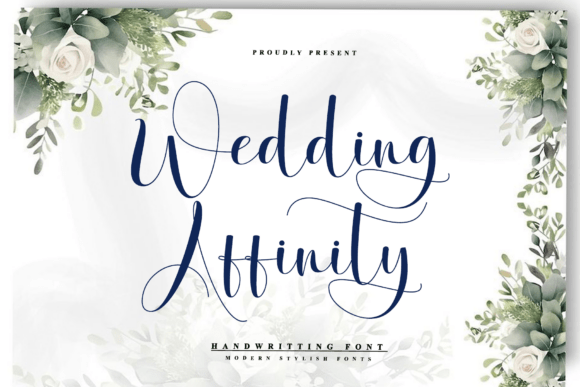
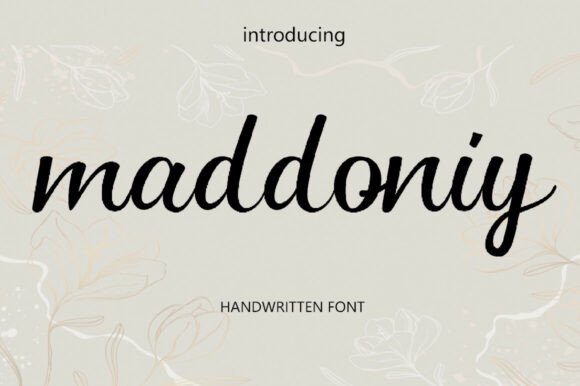
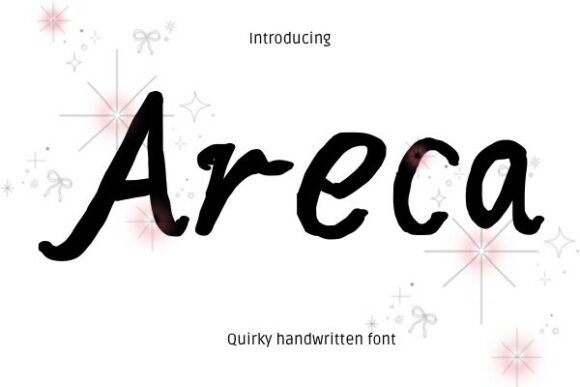
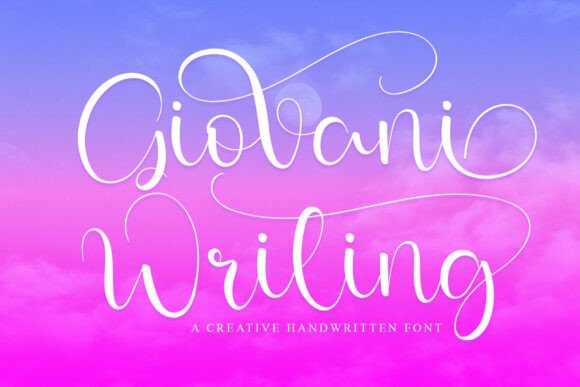
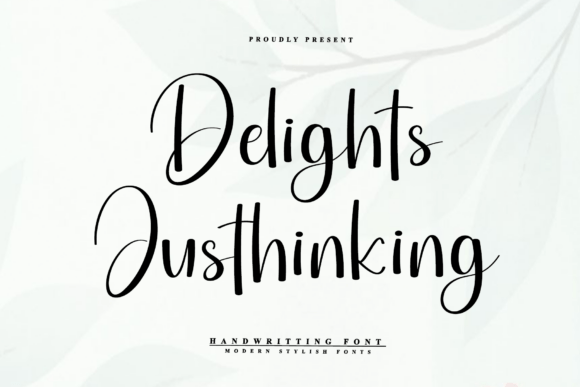
Delights Justhinking is a lovely and timeless handwritten font that immediately caught my eye. Its personality is soft yet confident, with a sense of elegance that feels both modern and nostalgic. Every letter has a unique and beautiful touch, which makes it feel personal and authentic. It’s not just another script font—it’s a statement.
A Perfect Fit for Logo Design and Brand Identity
When I first tested Delights Justhinking on the logo concept, it was a revelation. The font brought a warmth and charm to the design that felt right for the brand’s mission. The slight variation in stroke weight and the elegant curves made the logo feel like it had been crafted by hand, which aligned perfectly with the client’s vision.
I used Delights Justhinking as the primary typeface for the logo, and then paired it with a clean sans serif font for body text. This contrast created a balanced visual hierarchy that worked well across different brand assets. Whether it was the packaging mockup or the website header, the font maintained its character without overwhelming the design.
From Packaging to Social Media: Versatile Typography
One of the things I admire most about Delights Justhinking is its versatility. I used it on product labels, social media graphics, and even a flyer for an upcoming workshop. On packaging, it added a personal touch that made the product feel more inviting. On Instagram posts, it helped create a cohesive visual language that reinforced the brand’s identity.
However, I also noticed that Delights Justhinking isn’t always the best choice for long body text. Its decorative nature can make it difficult to read in small sizes or over extended paragraphs. For that reason, I recommend using it as a display font or headline rather than for large blocks of content.
Font Pairing and Design Considerations
When pairing Delights Justhinking with other fonts, I found that it works best with clean, modern typefaces that complement its organic feel. A sans serif like Montserrat or Lato can help balance the design and ensure readability. For a more classic look, pairing it with a serif font like Playfair Display adds a layer of sophistication.
If you’re looking for a font that can handle multiple design roles, Delights Justhinking is a great option. It can serve as a logo font, accent font, or even a short phrase font. However, it’s important to consider the context in which you’ll use it. For formal corporate settings or long-form content, it might not be the ideal choice.
Another thing to keep in mind is the included styles and alternates. Delights Justhinking offers a range of weights and ligatures that can enhance your design work. These features give you more flexibility when creating logos, headlines, or decorative elements.
Practical Tips for Using Delights Justhinking
Before using Delights Justhinking in final client work, I recommend testing it in different contexts. Print it out, check how it looks on screen, and see how it behaves at various sizes. This will help you avoid any unexpected issues with readability or legibility.
Also, don’t forget to review the commercial font licensing before using it in client projects. Depending on the usage, you may need to purchase a license that covers print-on-demand products, websites, or digital templates. Always double-check the terms to ensure you’re compliant.
Finally, remember that typography is a powerful tool in branding. Delights Justhinking has the ability to influence brand perception, create visual consistency, and enhance audience engagement. When used thoughtfully, it can become an essential part of your design toolkit.